

When it comes to cutting steel, not all methods are created equal. At Rocky Mountain Steel, we offer a range of precision cutting services, and two of the most commonly compared techniques are plasma cutting and oxy-fuel cutting. Both have distinct advantages, and understanding the differences can help you choose the best option for your specific project, material thickness, and budget.
In this guide, we’ll break down how each process works, where each excels, and which one might be right for your next steel fabrication job.
What Is Plasma Cutting?
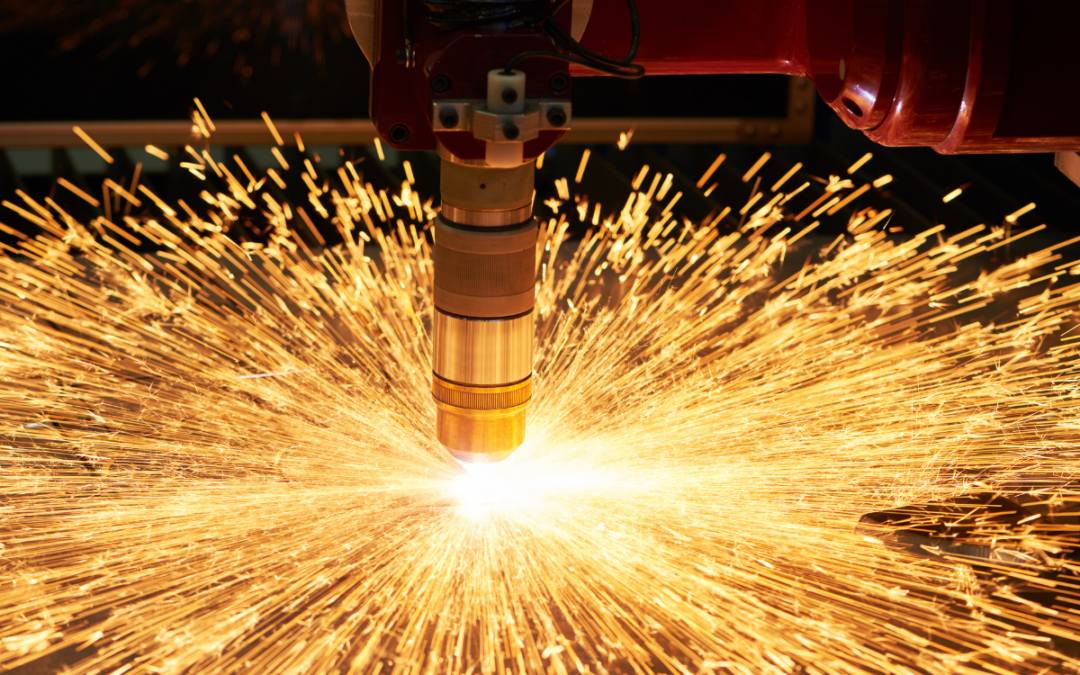
Plasma cutting uses a high-velocity jet of ionized gas (plasma) to melt and blow away metal. The intense heat of the plasma arc cuts through steel quickly with high precision.
Best For:
- Thin to medium-thick metals
Plasma Cutting vs. Oxy-Fuel: Which Is Right for Your ProjectThin to medium-thick metals - Detailed shapes and complex contours
- High-precision requirements
- Cleaner, narrower cut lines
Advantages of Plasma Cutting
- Faster cutting speed — great for efficiency and quick turnarounds
- High precision — excellent for intricate parts and tight tolerances
- Less heat distortion — keeps surrounding metal stable
- Versatile — cuts carbon steel, stainless steel, aluminum, and more
Typical Uses
Plasma cutting is ideal for architectural components, brackets, flanges, sheet metal parts, and preparation for welding.
What Is Oxy-Fuel Cutting?
Oxy-fuel cutting (also called flame cutting) uses a combination of fuel gas (like acetylene or propane) and oxygen to create a hot flame that ignites and cuts through steel.
Best For:
- Thick carbon steel plates
- Heavy structural components
- Applications where surface finish is less critical
Advantages of Oxy-Fuel Cutting
- Cost-effective for thick steel — especially 1″ and up
- Powerful heat source — can handle very heavy plate
- Simple and reliable technology — long used in industrial fabrication
Typical Uses
Oxy-fuel is commonly used in structural steel fabrication, heavy equipment parts, and field cutting where precision is less critical but material thickness is substantial.
Plasma Cutting vs. Oxy-Fuel Cutting FAQs
- What is the difference between plasma cutting and oxy-fuel cutting?
Plasma cutting uses an electrically charged plasma arc to cut through metal with high precision, while oxy-fuel cutting uses a fuel gas and oxygen flame to cut carbon steel. Plasma cutting is faster and more precise for thinner materials, while oxy-fuel cutting is better suited for thick carbon steel plates.
- Which cutting method is best for a thick steel plate?
Oxy-fuel cutting is typically the best option for thick carbon steel plate, especially materials one inch thick or greater. It provides deep, consistent cuts and is more cost-effective for heavy structural steel.
- Is plasma cutting more precise than oxy-fuel cutting?
Yes. Plasma cutting delivers cleaner edges, tighter tolerances, and less heat distortion than oxy-fuel cutting. This makes it ideal for projects that require detailed shapes or minimal post-cut finishing.
- Can plasma cutting be used on stainless steel or aluminum?
Yes. Plasma cutting can be used on a wide range of metals, including carbon steel, stainless steel, and aluminum. Oxy-fuel cutting, by contrast, is limited primarily to carbon steel.
- Which steel cutting method is more cost-effective?
Plasma cutting is more cost-effective for thin to medium-thickness materials due to faster speeds and reduced finishing time. Oxy-fuel cutting is often more economical for thick carbon steel where precision is less critical.
- Does plasma cutting create less heat distortion?
Yes. Plasma cutting creates a smaller heat-affected zone compared to oxy-fuel cutting, which helps minimize warping and preserves material integrity, especially in thinner steel.
- Which cutting process is better for weld preparation?
Plasma cutting is typically preferred for weld prep because it produces cleaner, more consistent edges that require less grinding before welding. However, oxy-fuel cutting is still widely used for heavy structural components.
- Does Rocky Mountain Steel offer both plasma and oxy-fuel cutting services?
Yes. Rocky Mountain Steel provides both plasma cutting and oxy-fuel cutting services, allowing us to select the best method based on material type, thickness, and project requirements.
Which Should You Choose?
Choose Plasma Cutting If:
- Your project involves precise shapes or tight tolerances
- You’re working with thin to medium material
- Surface finish matters
- You need fast turnaround
Choose Oxy-Fuel Cutting If:
- You’re cutting thick carbon steel
- Precision is less important than strength and throughput
- Budget considerations favor a cost-effective option for heavy work
Why Rocky Mountain Steel?
At Rocky Mountain Steel, we don’t use a one-size-fits-all approach. Our team evaluates your project needs including material type, thickness, tolerances, and end use to recommend the most cost-effective and efficient cutting method. Whether it’s precision plasma parts or heavy oxy-fuel structural components, we deliver quality results every time.
Let’s Talk About Your Project
Not sure which method is right for your application? Contact Rocky Mountain Steel today. Our experts will walk through your requirements, help you choose the best cutting solution, and deliver exceptional results tailored to your needs.
📞 Call us or request a quote now and get your project started with the right steel cutting solution!
Recent Comments